A prayerful practice for Ash Wednesday and Easter Day
(Inspired by the work of Ally Barrett)
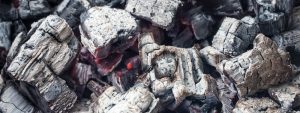
Ash is not neutral material. It already carries meaning—the trace of what has been burned, reduced, and transformed. In the Christian tradition, ash holds together truth and hope, grief and promise, ending and beginning. When we paint with ash, we do not add symbolism to the material; we listen to what it already says.
This practice invites our whole body into prayer. Hands, breath, touch, and time become part of our theology, our response to God. What remains after burning becomes the ground of new attention.
Ash Wednesday
Painting with Ash from Palm Crosses
Material:
- Ash from burned palm crosses
- Transparent acrylic glue (or transparent acrylic medium)
- Pestle and mortar
- Water
- Heavy paper, card, or primed board
- Brushes, fingers, or cloth
(The transparency of the glue is important as a white binder will overpower the ash.)
Making the Ash Paint
Allow the ash to cool completely. Remove any unburnt fragments, then grind the ash gently using something like a pestle and mortar. Aim for a fine powder, but do not worry if some grit remains—the texture is part of the prayer.
Mix a small amount of ash with transparent acrylic glue.
- Less ash will create a light, translucent wash.
- More ash will produce darker, denser marks.
Add a little water if needed.
Only mix what you will use at the time; the paint dries quickly.
The Practice
Begin slowly.
Let the surface show through.
Work with restraint rather than coverage.
Use fingers as much as brushes, noticing how the ash responds to touch.
You may find yourself making:
- horizons
- broken lines
- scorched ground
- traces rather than images
Do not aim for completion. Leave space.
Allow the painting to remain unresolved.
Ash Wednesday Reflection and response
Ash Wednesday is not about improvement or explanation.
It is about truth.
Painting with ash is a way of consenting to what is real
—our fragility, our limits, our need of God.
“Remember that you are dust, and to dust you shall return.”
What is our response to this quotation-to the beginning of this Lenten landscape?
The painting does not need to be beautiful.
It needs to be honest.