Easter does not erase ash.
Resurrection begins in the place where something has already died.
Materials
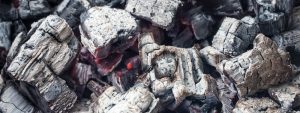
- Charred wood from the Easter fire (fully cooled)
- Knife
- Pestle and mortar
- Transparent acrylic glue
- Water
- • Optional natural pigments from the garden
Making Charcoal Paint
Scrape the charred surface from the burned wood. Grind it gently to your preferred texture. Some larger fragments are welcome—they catch the light and hold memory.
Mix the charcoal with transparent acrylic glue. Experiment with thickness. Easter painting often works best in layers, allowing earlier marks to remain visible beneath later ones.
Optional: Natural Colours…
based on the post Easter gospel stories
Colour may be introduced sparingly, not to cover the ash but to emerge from it.
From the garden or local landscape:
- Yellow: dandelion heads, birch leaves
- Green: nettle, ivy, spinach
- Red/Brown: hawthorn berries, rose hips
- Purple: red cabbage water
- Earth tones: soil, clay, sand
These can be layered over ash or mixed lightly into it.
Our Easter landscape response
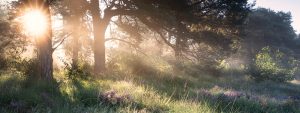
Begin with ash. Let the darkness remain. Introduce colour gently, noticing where it wants to appear rather than forcing it.
Think in terms of:
- shoots breaking ground
- light at the edge
- life emerging slowly from what looked finished
Reflection and Painting
Easter does not remove the marks of death. The risen Christ still bears wounds. In this practice, ash becomes soil rather than dust, memory rather than shame. Resurrection is not a clean break from the past, but a faithful transformation of it. What post Easter Day stories in John’s gospel are we drawn to?
This Lent we have walked through the landscapes of Penance, peace and Reconciliation with people, histories and geographic backgrounds across the World. How might each of us, in our own context live out Penance, peace and Reconciliation in the light of the Resurrection?
Painting with ash teaches patience. It resists spectacle and quick resolution. It invites us to attend—to matter, to memory, to the slow work of God.
Ash is not the end of the story.
But it is where the story becomes truthful enough for hope to begin.