John 21.1–14 : Monday after Easter
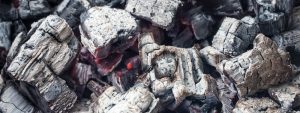
On Easter Day, we began with ash. Ash from the Easter fire—what remained after burning—became the first marks on the page as we traced a post-Easter landscape. Sparse and unfinished, the ash held memory: of death, loss, and what has passed. Yet on Easter morning it also carried promise. Fire does not have the final word.
Several weeks after Easter, the disciples inhabit a similar landscape. They return to fishing, to familiar rhythms, carrying resurrection hope alongside unresolved failure. A whole night yields nothing. Their nets remain empty. This is penance as truth-telling: staying with the bareness rather than rushing to fill it in.
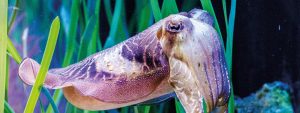
Our world’s waters echo this story. The Sea of Galilee now bears the wounds of overfishing and pollution, where abundance has been thinned by human hunger. Elsewhere, another way has been learned. In South Australia, restraint has become wisdom. Marine Protected Areas allow fish stocks to recover and biodiversity to flourish. Creatures like the giant cuttlefish—masters of colour and transformation—survive because space has been given for life to renew itself. Penance here is not punishment but practice: learning when to stop, protect, and let creation breathe.
At dawn, Jesus stands on the shore and asks, “Have you caught anything?” Only after the
disciples speak the truth does abundance appear. Casting the net on the other side, they gather 153 fish—the fullness of creation—and the net does not break. Peace is born not from effort or control, but from attentive listening.
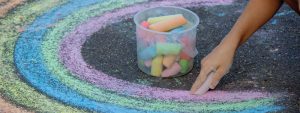
In our post-Easter practice, this is when colour begins to emerge. As the resurrection stories unfold through the days that follow, we are invited to add colour to our ash-drawn landscapes using the natural hues of our place: soil, leaf, stone, water, flower, sky. The colour does not erase the ash; it rests alongside it. Creation teaches us, like the cuttlefish, that transformation honours what has been while revealing new life within it.
Peter’s movement completes the journey toward reconciliation. Naked and exposed, he does not hide. He clothes himself and steps toward Jesus. Around the fire, bread and fish are shared, and peace takes shape as relationship is restored. The ash of failure remains, but it is now held within mercy.
On this Monday after Easter, resurrection unfolds slowly. Ash gives way to colour, scarcity to abundance, fear to courage. As we add colour day by day, we practise reconciliation—with God, one another, and the earth—trusting that Christ is already waiting on the shore.
Journalling Painting
- What colour from your landscape, physical, spiritual and emotional will you add to your Easter response painting today?