Week VI • Sunday

Europe

Week VI • Sunday

Sunday introduction

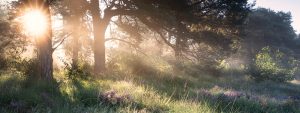
Europe is a land where beauty and burden lie closely intertwined. From Scotland’s heathered hills to the olive groves of Greece, from the fjords of Norway to the plains of Hungary, the continent’s landscapes whisper an ancient invitation to stillness—a kind of Sabbath woven into river, forest, mountain, and meadow. The land itself seems to long for rest.

Yet Europe also carries a weight of history. Battlefields lie beneath wildflower meadows; once-divided cities now hum with life; ancient borders still shape modern wounds.

This is a continent that remembers: the scars of war, the displacement of peoples, the sins of empire, the silencing of minority cultures. The need for penance runs deep—the honest reckoning that looks unflinchingly at harm and begins the slow work of repair.

And yet, alongside penance, Europe is also rich in stories of peace and reconciliation. Pilgrims walk the Camino, strangers sharing bread along the way. Former coal valleys are becoming green sanctuaries. Nations that once faced each other in battle now collaborate across borders. In Belfast, Berlin, Sarajevo, and beyond, people light candles where hatred once burned. Small acts—a shared meal, a restored wetland, a peace choir—become sacraments of hope.

Sabbath rest in Europe is not an escape from this history but a way of holding it with honesty and tenderness. Sabbath teaches us to pause, to listen to the land and to one another, to make room for the Spirit who heals what violence has fractured. It is God’s quiet call to lay down the armour of fear and begin walking the path of peace.

Here, in the landscape of penance, peace, and reconciliation, the Spirit still offers rest—not as forgetfulness, but as the deep breath that allows new beginnings.
fifth sunday of lent | sabbath rest

Jewish Sabbath begins the evening before, when the first three stars appear.
Sabbath arrives gently, before exhaustion, reminding us that God’s work continues even when ours ends.

comment & Reflection

When creation settles into winter in the northern hemisphere, it teaches us about rest and Sabbath. In places where snow falls and lies on the ground, most living beings and plants must pause. They conserve energy until the sun and warmth return. This slowing down becomes a season of healing and renewal.

It mirrors the life of an athlete. Training strengthens the body, but it is during rest and refuelling that true growth happens. The body learns it needs to become stronger for the next challenge. Without proper rest and nourishment, training becomes damaging rather than life-giving.
So how has your Sabbath refreshed you for the week ahead? Have you filled your stores enough for what lies before you?

There is something deeply human about sharing a meal. Many people today live alone and rarely have that chance. Offering a communal meal—sitting together, talking, eating slowly, enjoying simple homemade food—is a gift we offer in our Franciscan guest houses, after church services, and in our homes. We are social beings: joy becomes richer when shared.

Food is more than fuel. Its nourishment sustains us, but when we eat with others we receive something deeper. Special celebrations often involve special meals; yet every meal can carry a quiet sense of celebration—from the gentle pleasure of preparing it, perhaps together, to the moment when the last dish is washed and put away.
How do you make a space at your table for those who are lonely?

Brother Micael SSF

sabbath gift

To stop is to trust.
It says: God can hold the world without me.

Barbara Brown Taylor calls this the first step into freedom.

try this

On Saturday evening, notice the darkening sky or wait for three stars.

Whisper: “Let rest begin.”

Choose one thing you normally “must” do on Sunday— email, housework, planning—and simply don’t do it.