Death touches every human life. It comes to us through the loss of loved ones, through illness, ageing, change, disappointment, and the many endings that shape our lives. It is a part of life: certain, inevitable. Yet in contemporary society death is often hidden away, spoken of in hushed tones, treated as something to be feared, denied, and postponed for as long as possible.
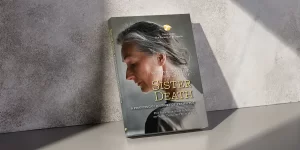
This series of five sessions offers an opportunity to reflect gently and honestly on mortality through the wisdom of St Francis of Assisi. It is not a course that supplies answers to difficult questions, nor is it an attempt to explain away grief, suffering, or loss. Rather, it is an invitation to explore how Christian faith, and particularly the Franciscan tradition, can help us live more deeply and more freely in the face of our mortality.
The inspiration for these sessions comes from a remarkable passage in the Canticle of the Creatures. Written during the final years of his life, when Francis was blind, unwell, and
living with considerable pain, the Canticle is a song of praise that celebrates God through the whole family of creation. Francis praises God through Brother Sun, Sister Moon, Brother Fire, Sister Water, Mother Earth, and, most surprisingly of all, through “our Sister Bodily Death.”
These words continue to surprise and challenge readers today. Francis does not pretend that death is easy. He knew suffering intimately. He had experienced disappointment, illness, physical weakness, and the uncertainties that accompany the end of life. Yet he came to see death, not as a stranger standing outside God’s love, but as part of the great journey of creation returning to its source.
For Francis, learning how to die was inseparable from learning how to live. Throughout his life he practised letting go—of wealth, status, control, certainty, resentment, and self-sufficiency. He discovered that true freedom comes not from possessing more, or being invulnerable, but from trusting more deeply. Death therefore became not simply an event at the end of life but the final expression of a lifelong journey of surrender into the hands of God.
These sessions explore themes of wonder, mortality, transitus, kenosis, trust, and resurrection hope. Along the way we will draw on Scripture, Franciscan writers ancient and modern, the final days of Francis at the Portiuncula, and insights from contemporary theology and pastoral experience.
For some participants these reflections may connect with recent bereavement, with illness, ageing, or experiences of loss. Others may simply wish to explore how faith speaks to one of the universal realities of human existence. Whatever brings you to this series, you are invited to participate at your own pace, sharing only what feels appropriate and allowing space for silence, reflection, and prayer. The series is suitable for both individuals and small groups, but the latter should ensure that participants have ample time to reflect and to pray. Suggested times are given for each section, but individuals and groups should feel free to adapt these to their own use.
Francis’s vision is neither sentimental nor naïve. He does not deny the reality of death. Rather, he invites us to discover a deeper reality: that nothing—not suffering, loss, failure, ageing, nor even death itself—can separate us from the love of God.
Ultimately, these sessions are not about death alone. They are about life. They are about learning to live with gratitude, courage, humility, and trust, so that when Sister Death eventually comes, she finds us already resting in the love of the God who has accompanied us all along.
May these reflections help us to live more fully, love more generously, and trust more deeply in the One who is with us in life, in death, and beyond death.
Susan Pitchford TSSF
Sian Yates TSSF